By: Erica Ferraro
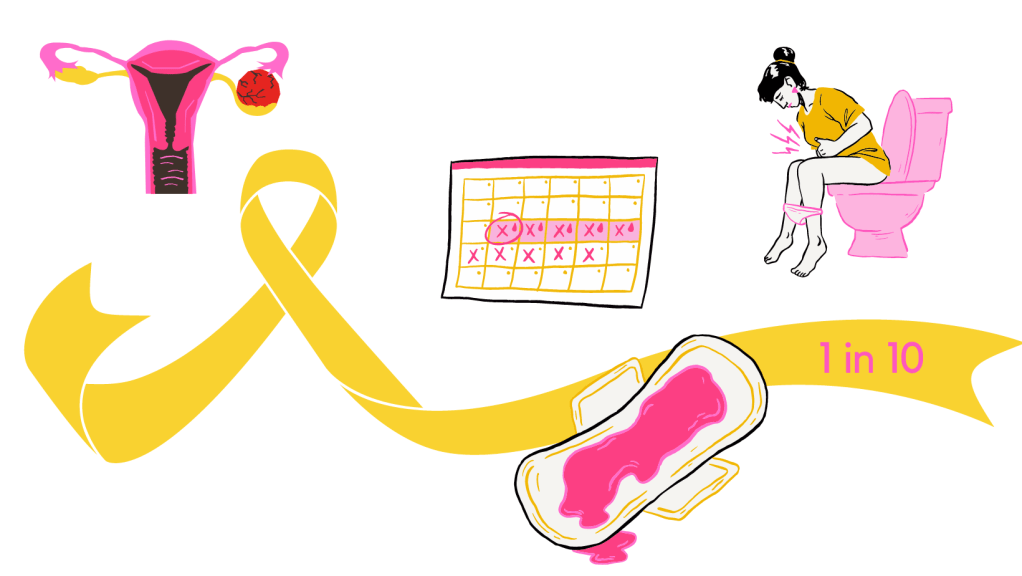
Endometriosis, 1 in 10!
Endo-what? Unfortunately, many of us are unaware of this distressingly common and life-altering female health condition, even though it affects 1 in 8 women. Endo is a genetic and hereditary condition that women are born with. It is worth noting that endo is a leading cause of female infertility, including DOR. A formal diagnosis of endo can only be made through a laparoscopy surgery, which an experienced surgeon in endo excision techniques should always perform to minimize the risk of further harm to your ovaries and fertility functions. Unfortunately, there is no definitive cure for endo. However, various strategies and approaches are available to manage and alleviate the symptoms associated with this condition effectively.
The Disease
Endo is a painful disorder where tissue that would typically appear inside the lining of the uterus, called the endometrium, grows outside the uterus in places where it should not be. This tissue often affects the ovaries, fallopian tubes, and the pelvic lining. In rare cases, it can even be found beyond the pelvic region. Described as early as 1912, endo was documented as causing pulmonary lesions consisting of endometrial glands and stroma. In 1938, a woman with inguinal node endo with hemoptysis had a “lung tumor” that bled with every menstrual cycle. Since then, endo has been documented in the lung, bronchi, pleura, and diaphragm. These cases are rare, but have been seen amongst doctors who study endo.
With endo, the misplaced tissue thickens, breaks down, and bleeds like the endometrial tissue inside the uterus. However, since it has no exit route, it becomes trapped. When endo affects the ovaries, it can result in the formation of cysts known as endometriomas. The surrounding tissue becomes irritated, leading to the development of scar tissue and adhesions. These fibrous bands can cause pelvic organs and tissues to stick together, impairing their function. The scar-tissue fusion of critical fertility organs due to endo is a leading cause of sterility among women.
Due to a lack of awareness, misdiagnosis, and symptom overlap with other conditions, endo often goes undiagnosed, taking an average of 7-10 years to confirm. In my personal case, it took me 19 years for a proper diagnosis.
The Symptoms
The most common symptoms of endo include:
- Painful menstrual periods: Contrary to popular belief, experiencing pain during menstruation is not normal. If you rely on painkillers to get through your periods, it is essential to discuss the possibility of endo with your OB/GYN
- Chronic pain in the lower back and pelvis
- Pain during or after sexual intercourse
- Painful bowel movements or urination during menstrual periods
- Digestive issues like diarrhea, constipation, bloating, or nausea, particularly during menstruation
- Infertility
The Diagnosis
Endo is classified into four stages: minimal (stage 1), mild (stage 2), moderate (stage 3), and severe (stage 4). These stages indicate the extent of the disease, including the number, depth, and presence of cysts or scarring. For a formal diagnosis, laparoscopy surgery is necessary. In some cases, ultrasound scans may detect endometriomas on the ovaries, but this is typically more apparent in advanced stages, such as stages 3 and 4. It is important to note that infertility can occur at any stage, and the severity of symptoms does not necessarily correlate with the stage.
There is even a condition called silent endo, with no overt symptoms, which affects around 20 to 25 percent of endo patients.
Organ Damage
Endometriosis shares overlapping symptoms with other conditions, particularly gastrointestinal issues like irritable bowel syndrome (IBS), which is why sometimes these issues are misdiagnosed when they are actually endo. Recently, there has been increased attention to endo affecting the bowels, leading to a higher likelihood of colo-rectal surgery during excision procedures.
History
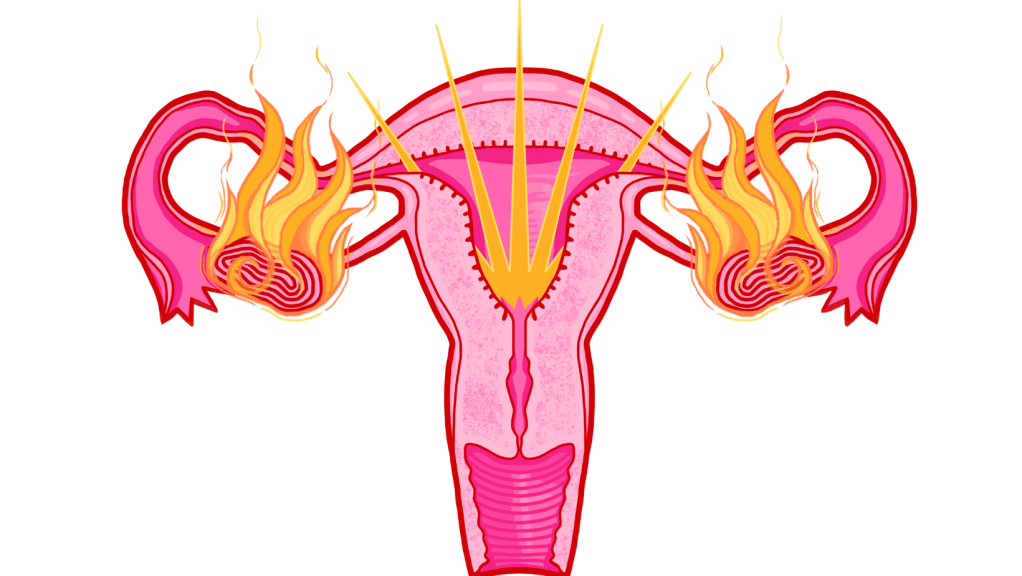
Endo was discovered in the 1600s and first appeared in literature in 1860. Initially, doctors believed it was caused by retrograde menstruation, where period blood flows back into the fallopian tubes and becomes trapped. However, this theory has since been disproven. Additionally, the technique of ablation, or “burning off” the endo tissue, was once used, but the endo can more easily grow back with this method. Excision, or “cutting it out,” has proven more effective as it reduces the chances of regrowth and is the current standard of care for removing endo lesions.
My Personal Experience
I experienced my first period at the age of 11 and was utterly bewildered by the changes happening in my body. I vividly remember calling my cousin in tears because I was home alone and in excruciating pain. The agony persisted every month from the age of 11 until just one month before my 30th birthday.
Throughout my life, I heard stories about my Grammy’s terrible periods during her childhood. She would joke about her mother offering her a shot of whiskey before sending her off to school. I later discovered that my Grammy had endo. In those days, the only cure was a complete or partial hysterectomy, which rendered a woman infertile.
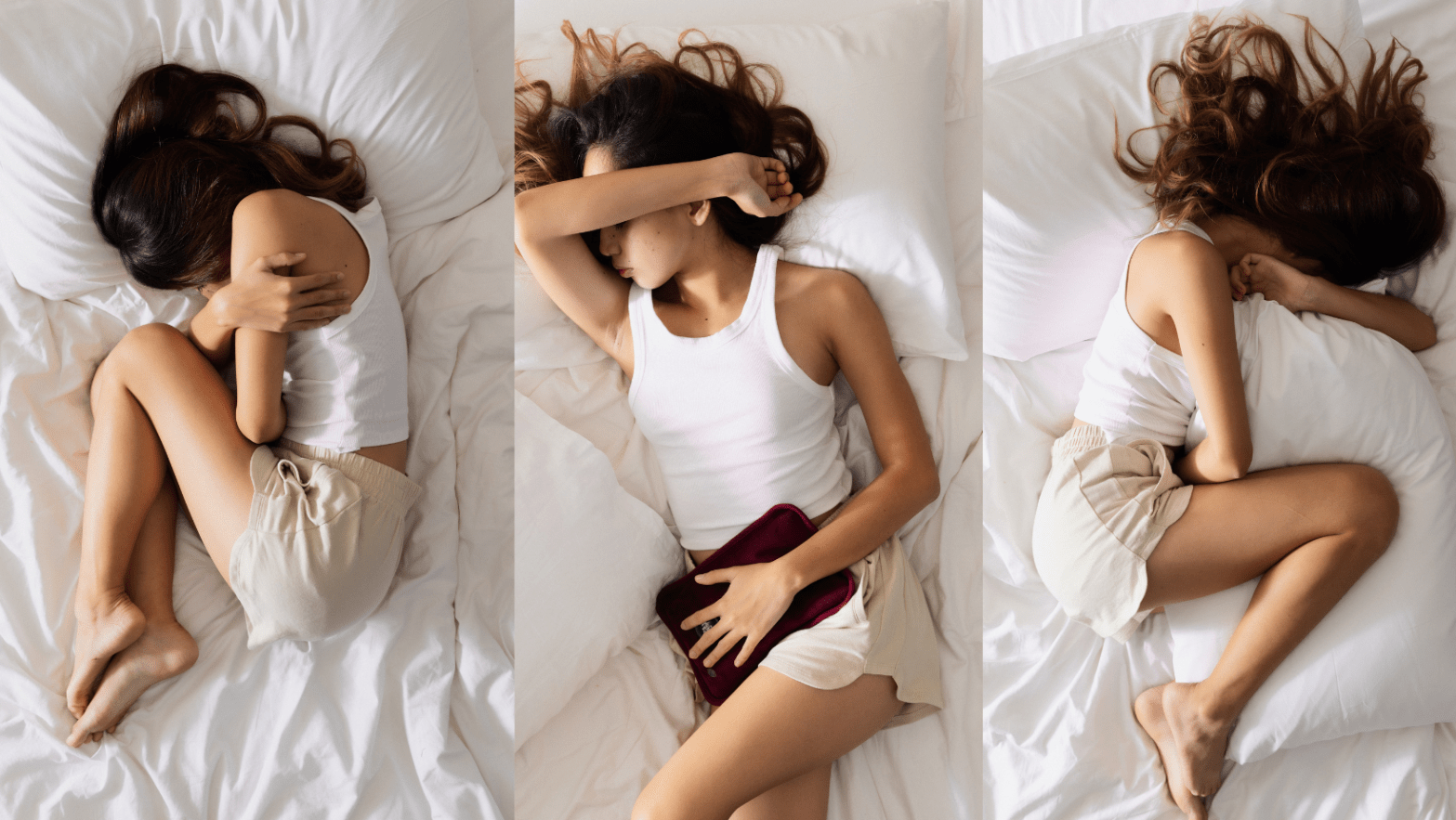
Growing up, I consulted various OB/GYNs about my period pain, but unfortunately, none of them educated me about endo. When I was dating my husband, he would jokingly refer to my painful periods as “monthly exorcisms” due to the extreme pain that left me contorted in different positions just to find relief. There were instances when the pain was so unbearable that I feared a trip to the hospital. Nausea would often accompany the pain, and it caused significant monthly anxiety.
Birth control was never suggested to me by any of my doctors to control the pain, only to ensure I “didn’t get pregnant,” so I never used it as I felt it was better to “just use condoms” and keep my body hormone-free. I now understand that being on birth control is an effective way to manage endo, preventing its growth and damage to organs by suppressing your hormones and cutting off the endo’s food supply. There is no cure for endo, but there are certainly ways to control symptoms and prevent them from getting worse.
After a year of trying to conceive without success, I decided to consult a new OB/GYN as my period pain had reached an all-time high, and I was still struggling to conceive. Luckily, I found a specialist in endo-excision surgery who listened to my symptoms and finally validated them. He promptly performed a laparoscopy that lasted over three hours. During the procedure, he diagnosed me with Stage 3. He drained a large cyst from my right ovary, removed two deep lesions from my pelvic tissue, and had to remove my appendix, which was weeks away from rupturing due to endo-related damage. The surgeon informed me that 70% of endo patients have appendix damage that requires removal.
TIP: if you have concern for endometriosis, consider seeing a gynecologist with advanced training in minimally invasive gynecology (a separate 2 year fellowship after OBGYN training). These surgeons are experts in treating endometriosis in a way many general OB/GYNS are not.
Post-Surgery Impact
Since my excision surgery, I have not experienced a single ounce of period pain. It is as if it vanished into thin air! No more reliance on pain relievers or heating pads. Could this be what it feels like to have regular periods? It is truly remarkable!
Although there is a possibility of endo regrowth and the need for further surgeries, I am hopeful that with the help of birth control and an anti-inflammatory diet, I can slow down or even prevent its recurrence. By eliminating menstruation through the use of birth control to suppress periods, an endo patient can minimize internal blood trapping and reduce inflammation in the body; hence why a conversation with your doctor about laparoscopy, birth control options, and diet changes is critical in better managing your care.
Infertility Concerns
Endo is a leading cause of infertility due to the inflammation and damage it causes to vital fertility organs. If you’ve been diagnosed with endo and plan on having children, it is advisable to consult a fertility doctor regarding diagnostic testing and blood work to assess your anti-Mullerian hormone (AMH) levels and discuss the next steps. Your AMH levels are one indication of whether your endo has wreaked havoc on your ovaries, potentially damaging the egg reserve you have. Ovarian endo can correlate to low AMH levels or egg quantity/quality issues. It is never too early to gain a better understanding of your fertility, whether you are actively trying to conceive or not.
 Moving Mountains For Motherhood
6 thoughts on “Endometriosis, 1 in 10!”