By: Erica Ferraro with Contributions from Alease Daniel Barnes, BS, Senior Embryologist
Once you find your clinic and feel confident in your decision to proceed with treatment, you will likely learn about treatment options based on your diagnosis. I cannot reiterate enough that every patient is highly different and should have a unique treatment protocol. So, try not to get bogged down in what other infertile friends are doing – no two bodies are the same!
Here is a high-level explanation of the types of Assisted Reproductive Technologies (ARTs) that may be offered based on your medical needs.
First up, we have Home Intercourse Cycles/insemination (HIC). Although not often more successful than natural conception, this is an option for those patients whose infertility is mostly attributed to ovulation. With home intercourse cycles, patients take oral medications that recruit follicles and cause ovulation. These are the same medications used for IUI. Follicle growth is monitored in the clinic and intercourse is timed at home. Some patients also prefer to do a home insemination instead of intercourse. Home insemination, or at-home artificial insemination, is when sperm is put inside the vagina, usually with a syringe. Home insemination kits can be bought online.
Then, we have Intrauterine insemination (IUI), also known as the “turkey baster” method. It is a relatively non-invasive approach where a fertility specialist helps by stimulating the woman’s ovaries to produce more eggs and then carefully injecting washed sperm into the uterus. This method is often used when there’s a low sperm count, difficulties with sperm movement, and ovulation dysfunction. IUI may have lower success rates compared to other treatments, but it is more cost-effective and less invasive. Sometimes, insurance requires couples to try IUI before exploring other options and in that case, regardless of diagnosis, you may have to explore this treatment option before IVF.
IUI likely won’t be super successful for those who have Diminished Ovarian Reserve (DOR) or problems with sperm quality/count. IUI has a similar success rate to that of natural conception (20%) and that is IF you have viable eggs and sperm. You can’t bake the cake if you don’t have the proper ingredients! More on that in my baking analogy, here. Many patients will be offered IUI to start because their insurance covers it. In my experience, any fertility doctor who chooses to utilize a low success rate method for anyone who has a known egg quantity or quality issue, unless required by insurance, is not a physician I’d be interested in working with. Many times, IVF is the best first option for the highest success rates based on the patient’s diagnosis.
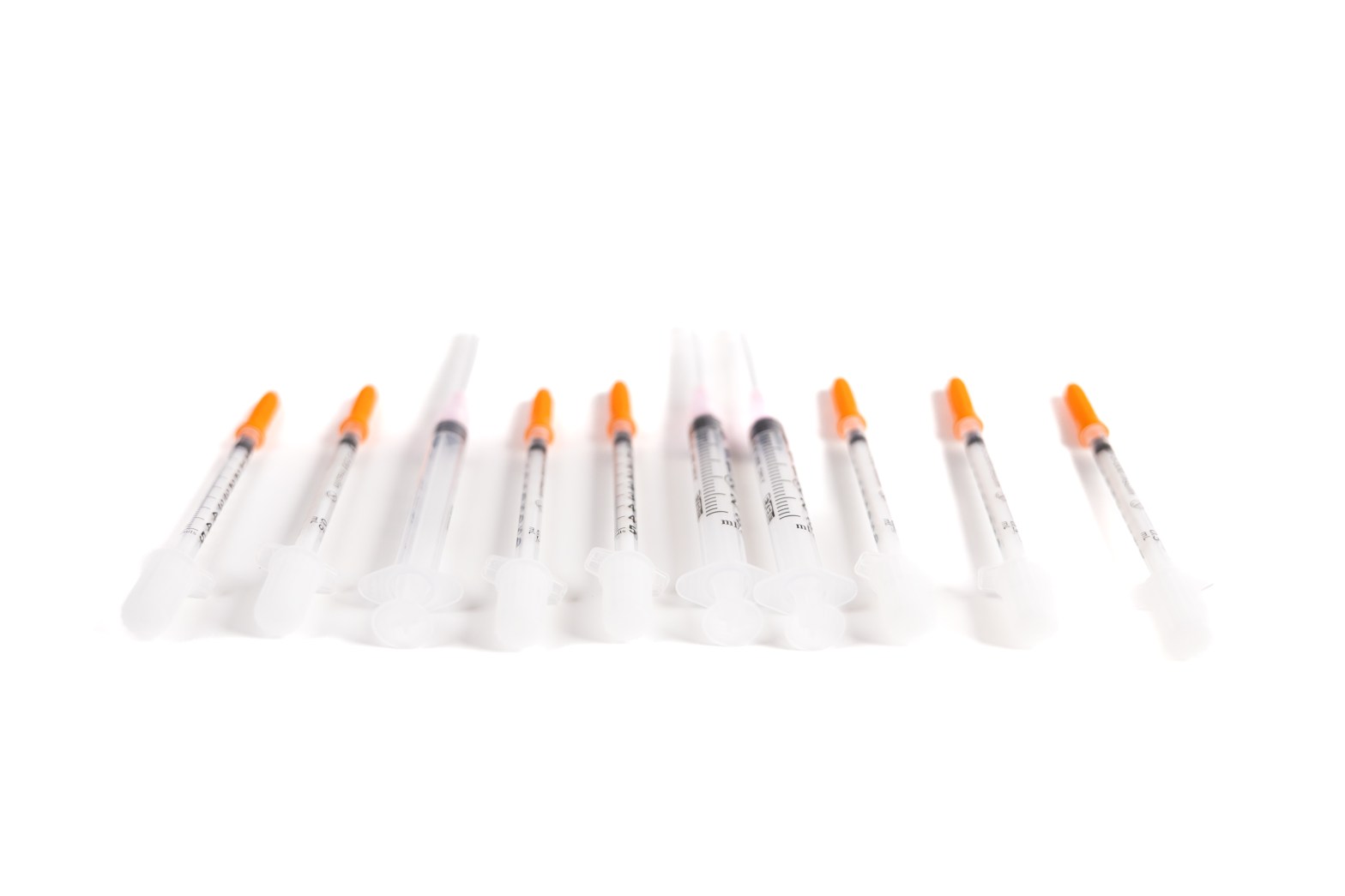
Next, we have the well-known In Vitro Fertilization (IVF) procedure. This is a more effective technique where fertilization happens outside the woman’s body. Eggs and sperm are combined in a dish to create embryos, which are then transferred to the woman’s uterus. IVF involves a procedure under anesthesia for egg retrieval and the use of injectable medications. Shots are used to “trick” the normal functions of a woman’s body to grow more eggs than usual, stop hormone production, and manage ovulation timing. Therefore, IVF medication must be injected and cannot be taken orally – direct contact via the bloodstream is the only way to manually “override the system.” It can be pretty expensive, and success rates vary. IVF isn’t a guarantee, but it offers a chance for pregnancy. It is the only treatment with higher success rates than natural conception. The emotional toll of IVF can be challenging for many.
Forbes Health recently published an excellent article exploring the differences between IUI and IVF. The article noted that IVF has a 50% efficacy rate for each cycle for a healthy woman under 35 years of age, compared to IUI, which ranges from 5% to 20% success rates for each cycle. But again, this is diagnosis, patient, and practice dependent.
Another technique is Intracytoplasmic Sperm Injection (ICSI), which involves injecting a single sperm directly into the egg. This method is often used when there’s a meager sperm count. However, due to its high success rates for fertilization, it is becoming a standard practice in many clinics. Understand, though, that ICSI will only have a statistically significant fertilization rate when there is a male-factor issue. However, from a data-collection standpoint on the specific patient, the embryologist can better visualize the egg and all its characteristics. With conventional fertilization, morphological egg issues cannot be recognized.
“ICSI will pretty much always be used on frozen eggs and is often used for patients who have male-factor infertility.” Alease Daniel Barnes, BS, Senior Embryologist
The best way to view ICSI is an option that can help fertilization rates in some instances and will be more comparable in other cases. With ICSI, there is less of a failed fertilization rate, so many clinics have moved to this as a standard of care.
Lastly, we have Frozen Embryo Transfer (FET). This technique uses frozen embryos created during a previous IVF cycle. Thawed embryos are placed in the woman’s uterus. This process allows embryos to be frozen and biopsied, which helps for PGT (genetic testing). Fresh Embryo Transfers are another option. However, genetic testing would not be available for that embryo as the embryo is transferred 5 or 6 days after insemination and is not frozen for later use. You can still choose to genetically test and freeze the rest of the embryos made during that cycle. You can choose to thaw those embryos at a later date to biopsy and genetically test them, but that comes with some elevated risk to the embryo.
“Another option is INVOcell, which is popular amongst the LGBTQ community. You may not have heard of this option before, but it allows embryos to grow in a device that is placed vaginally. Price wise and success rate wise, INVOcell is between IUI and IVF. INVOcell may be a good option for patients that are interested in minimal stimulation protocols, patients with mild male factor or unexplained infertility. INVOcell may also be a good option for those who are looking for a more “natural” approach or those who’s infertility stems from the need to use a sperm donor. There are few clinics who offer INVOcell, so additional research may be needed to find a clinic that offers this treatment option.” Alease Daniel Barnes, BS, Senior Embryologist
 Moving Mountains For Motherhood