
By: Erica Ferraro
If you’re familiar with Lupron Depot, you’re aware that this drug is not for the faint-hearted. Primarily used in the treatment of female cancer patients, Lupron Depot is also utilized in embryo transfer protocols for women with endometriosis (endo) or adenomyosis (adeno). Endometriosis is an inflammatory disease that, when active, can lead to failed embryo transfers or miscarriages. Adenomyosis is a similar condition typically caused by uterine trauma. Before transferring an embryo, both conditions must be managed and under control, which is where Lupron Depot comes into play. It is prescribed to manage endometriosis by providing pain relief, reducing endometriotic lesions, improving anemia due to vaginal bleeding before fibroid surgeries, treating advanced prostate cancer in men, and addressing central precocious puberty (early puberty in children). Lupron Depot works by suppressing estrogen production in women or testosterone production in men. For endo and adeno patients, removing estrogen from the body allows the endometrial tissue to “calm down” and become dormant, a critical factor in achieving a healthy pregnancy.

The drug is typically administered every three months through intramuscular injections, yes, with a large needle. If you’ve previously experienced PIO shots, Lupron Depot injections will be relatively easier. However, the symptoms associated with the drug are an entirely different story.
I have been on Lupron Depot for the past three months. Recently, I began introducing estrogen pills to prepare for my first embryo transfer, and I am delighted to share that reintroducing estrogen into my body relieved menopause symptoms within 24 hours. Nevertheless, enduring three months without estrogen in my body has been quite an experience, to say the least. It is important to note that this is not the same as regular menopause. Natural menopause occurs gradually over time, with estrogen levels decreasing slowly over months or years, allowing the body to adjust naturally. Medicated menopause induced by Lupron Depot, on the other hand, rapidly removes estrogen from the body within 24 hours of injection, resulting in a sudden and extreme hormonal shift. Therefore, the experience differs from age-related menopause, and the symptoms are much more severe due to this abrupt change.
Within approximately five days of receiving my first Lupron Depot injection, I began experiencing intense, life-altering hot flashes about twice an hour, including during the night. These hot flashes were so overwhelming that I had no choice but to shed layers of clothing and pant like a dog on a scorching summer day. I would become breathless from these episodes. To cope with the heat, I relied on a handy portable fan, ironically a baby stroller fan, which I could prop up and use whenever a hot flash occurred. I even brought the fan with me when traveling and propped it up on hotel nightstands to blow cool air on me throughout the night. Although our home has central air conditioning and a large overhead fan in our master bedroom, my frequent work travels and commitments made it necessary to have a source of cool air at my disposal, especially in hotel rooms without ceiling fans. I also considered using a neck fan, which I would definitely invest in if I ever have to undergo Lupron Depot treatment again.

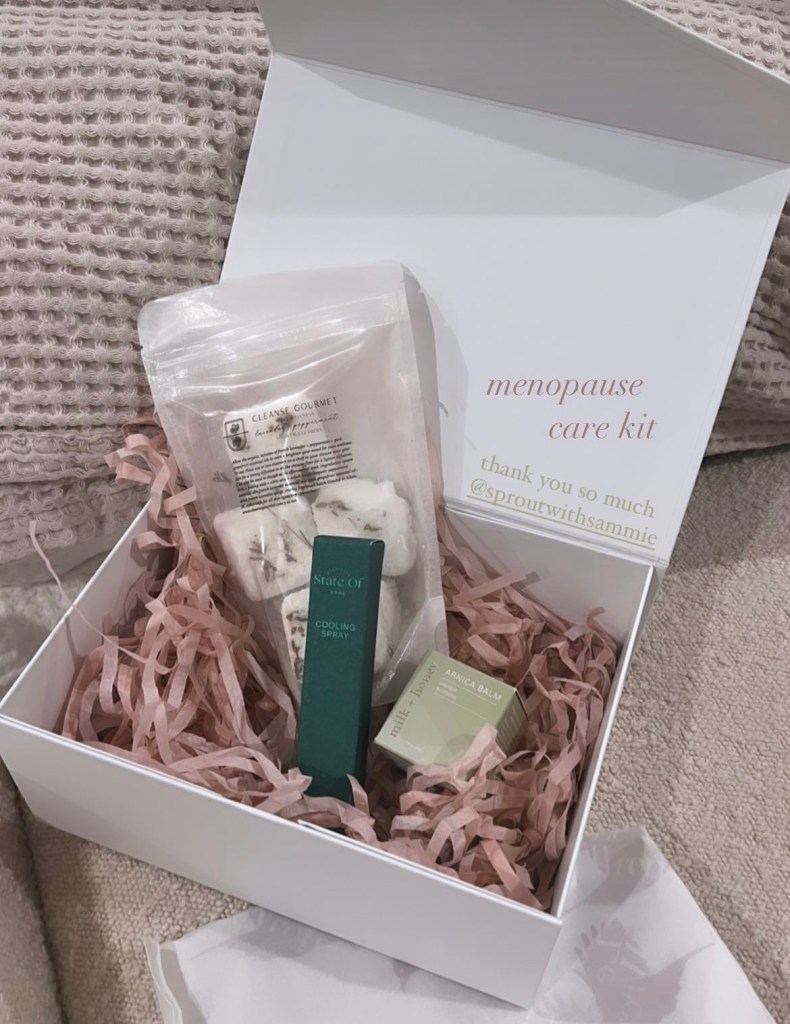
A thoughtful friend gifted me a menopause survival kit that included mint cooling spray, and another sent me peppermint essential oils in a roller ball. These items, along with my Stanley water bottle, helped maintain my sanity. My advice is to find what works best for you and make sure to have a fan nearby while keeping yourself consistently hydrated.
I also noticed that exercise and acupuncture helped alleviate my sweats. On days when I participated in a workout class or had an acupuncture session, I experienced fewer overall hot flashes. However, exercise wasn’t always easy due to the joint pain that is a side effect of Lupron Depot. I managed to stick to a two-day-a-week schedule at Orange Theory Fitness, doing the best I could under the circumstances. I also signed up with my husband and our bestfriends to complete a series of 5k runs at different state parks on Long Island. It was ironic to be so fit while so “sick” but, the determination to keep the hot flashes and weight gain down, kept me pushing through.

Fatigue and hormone headaches were also part of my experience. My doctor allowed me to take Tylenol, which provided some relief. When I felt tired, I made an effort to rest. I was honest with my employer about the medication protocol, and their understanding and flexibility proved beneficial during this time.
Additionally, I faced side effects such as weight gain or water retention and hair thinning. I tried to mitigate these by incorporating exercise, maintaining a healthy diet, and following a strict hair care routine with high-quality products, particularly my favorites from Pureology and Olaplex. I also consulted my doctor about taking a daily calcium supplement while in menopause to counter any potential loss in bone density. Weight-bearing exercises at Orange Theory Fitness and running likely helped mitigate this concern as well.

Overall, Lupron Depot undeniably presented challenges, but I made every effort to fight back. The fluctuating hormones added another layer of difficulty to an already mentally and emotionally draining battle with infertility. I wholeheartedly embraced one-on-one talk therapy and group therapy with fellow IVF warriors, which undoubtedly contributed to my ability to endure the toughest three months of my life.
If you are about to embark on a journey with Lupron Depot, I commend you for your bravery. I acknowledge the hardships that lie ahead and, most importantly, I believe in you. If I could navigate medicated menopause, then I truly believe anyone can.
 Moving Mountains For Motherhood