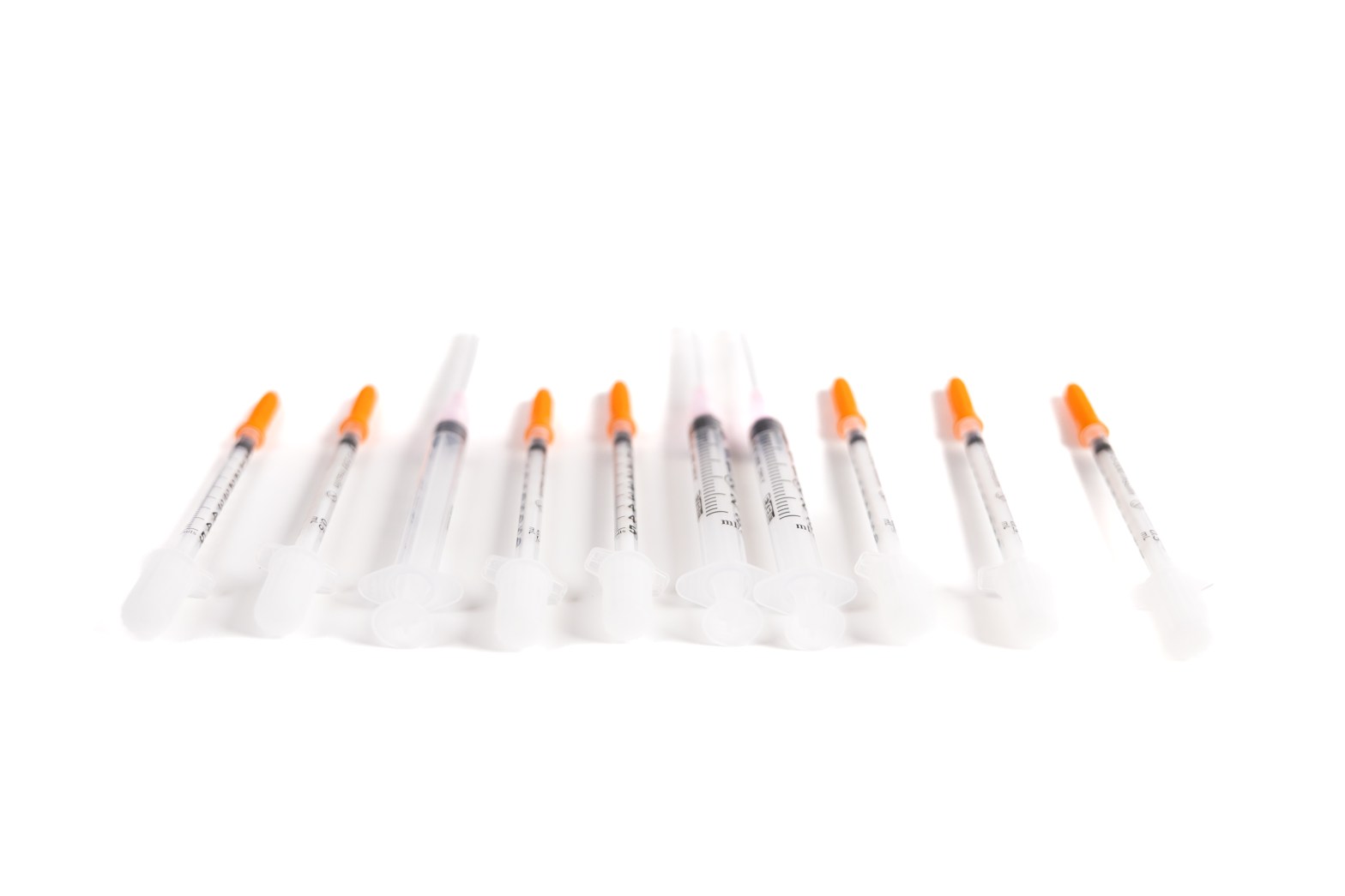
Hug Your Infertility Sisters, Literally


I stepped into my mock transfer appointment, my heart cautiously beating in rhythm with my full bladder. Our journey through infertility had taken us farther than I ever imagined, and every visit to the clinic stirred a swirling concoction of complex emotions within me. Fear, hope, anxiety, and excitement danced together, their steps accompanied by the haunting companions of frustration and despair. Countless times, I had found myself at the front desk, attempting to suppress tears while confronted with another bill: $2,500 for this procedure, that cryostorage, and this visit. But it was a particular encounter with another infertility sister that ignited something deep within me—a spark that defied explanation.

I locked eyes with a stranger speaking to the front desk staff, on the precipice of a meltdown, and something shifted inside me. I lunged toward her without a second thought, enveloping her in a bear-sized embrace. Surprisingly, she embraced me back, tears mingling with mine. We stood amid a bustling waiting room, surrounded by alarmed staff members and my bewildered husband, who probably was questioning my sanity. But in that instant, I couldn’t care less about their opinions. At that moment, I knew this stranger needed validation from someone who intimately understood the chaos we both endured. And so, in a hushed tone, I invited her to join me on the waiting room couch, reassuring her, “This journey is incredibly tough, but you are not alone. Your emotions are valid.”

In the aftermath, this encounter resonated deeply with the person whose path had crossed mine. She reached out to me on Instagram, pouring her heart into a gratitude-filled message. In her words, I found a newfound IVF friend and sister and a powerful affirmation of the significance of human connection. It turned out that we both carried the burden of endo, forming an unbreakable bond born from the shared struggles of the worst club with the best members. It never ceases to amaze me what we can learn by simply engaging with others. But what struck me most was the depth of my newly awakened empathy. It was as if infertility had injected a potent potion of sisterhood and unwavering support into my veins, forever weaving itself into the fabric of my being. Had this encounter occurred a few years earlier, I might have remained silent, absentmindedly scrolling on my phone. Now, my perspective has transformed, aware of a world teeming with untold narratives and unspoken pain.

For that, I am grateful—for my endometriosis, my diminished ovarian reserve, and my infertility. These overwhelming trials have elevated me emotionally and spiritually, reshaping the very essence of who I am. It is a peculiar alchemy wherein my excruciating pain metamorphoses into a wellspring of strength for others, which has also aided in healing me. My revelation on this, comes from the words of the woman who shared that unforgettable moment with me. In her heartfelt message of gratitude she reminded me that our infertility sisters, not only those we encounter online, but also the ones who sit alone in real-life fertility clinic waiting rooms, grappling with the same thoughts, emotions, and fears that plague us all, really and truly need a hug.

The following morning, I woke up to a message from that fellow warrior:

Thank you for sharing our moment. You still have no idea what it meant to me to feel heard. I am so loved and supported by family and friends, yet no one truly knows what you are going through unless they are in it themselves. I almost called to change that appointment twice but didn’t. I was meant to meet you there. I was upset over finances for the second time in two weeks and crying in the office because I felt I was told one thing, and then it changed. The staff is immediately defensive, saying, “Well, you signed this and that.” All I wanted and needed was to be heard. To vent. Some empathy. Your hug and kind words calmed me faster than they ever could have. You are right; we need to operate with more compassion towards people. I was at the clinic a few weeks ago, and a couple was “graduating,” which included taking photos with their sonogram and the doctor in the waiting room. I wanted to clap and congratulate them as this dream brought us all there in the same office. However, the waiting room was packed, and I didn’t say a word; no one did, and I don’t know why. But from now on, I will hug, congratulate, and support others because I know exactly how I felt when you hugged me. We are all in the same unique situation and have the opportunity to help one another. We all reach out to strangers on social media groups when we have a waiting room full of support that we sit with every week and quietly scroll on our phones. I hope we can stay in touch and graduate together. 

I felt overwhelmed and at a loss for words. It was a moment that shook my core, leaving me deeply moved. In this humbling moment, there is only one plea that emerges: embrace your infertility sisters with open arms, especially those you encounter in the real world.

Some moments transcend language and our ability to articulate the magnitude of their impact. In the bustling waiting rooms of fertility clinics, amidst the whirlwind of emotions that sweep over us, there exists a quiet longing for connection. It is a yearning for understanding that can only be quenched through the tender embrace of someone who truly comprehends the depths of our struggles.

In these physical spaces, we often sit in solitude, our hearts heavy with unspoken fears, hopes, and dreams. But within these very moments, the power of compassion and solidarity shines brightest. By opening our arms and hearts to our fellow infertility sisters, we create a sanctuary of shared experiences where the weight of our burdens is lightened through the unwavering support of one another.

So, I beseech you—do not underestimate the transformative potential of a simple hug, a compassionate touch, or a genuine word of encouragement. Embrace those who stand beside you in the waiting room amid their silent battles. Let them know they are not alone, their journey is valid, and their emotions matter.

The Power of Pineapples: A Symbolic Beacon of Hope and Community

By: Erica Ferraro

In the past, infertility was shrouded in secrecy, whispered behind closed doors, and burdened by societal taboos. Our parents bore the weight of this struggle in hushed tones, with limited resources and a sense of isolation. However, times have changed. The internet has brought about a more open-minded generation, and but also sadly, infertility rates have soared. The silver lining is that sharing one’s infertility journey today is far less intimidating than it would have been four decades ago. Advancements in treatments have made them more effective and affordable. While I may not be thrilled to be part of this community, I am profoundly grateful that I am experiencing it in the present rather than during our mothers’ attempts to conceive.

When we conjure images of infertility, they often revolve around negative pregnancy tests, ovulation strips, an abundance of needles, medications, the infamous WANDA (if you know, you know), and sperm sample cups. However, many fail to realize that pineapples have emerged as a symbol of resilience and hope for those battling to bring their miracle babies into the world.  They embody the indomitable spirit of this extraordinary community. But why?

The pineapple has blossomed as a powerful emblem of support and unity across TTC social media platforms, leaving a mark on our collective consciousness. Many warriors will adorn pineapple accessories during IVF appointments, especially on significant days like egg retrievals or embryo transfers, as a manifestation of hope and community.

I was personally confused as to how this fruit, delicious as it is, had anything to do with infertility. But leave it to a community of strong, brave, heartbroken, and hopeful people to find the perfect symbol for their unified battle.

“Be a pineapple. Stand tall, wear a crown, and be sweet on the inside.” These words resonate deeply within fertility circles and serve as a wellspring of inspiration. To our extraordinary community, the pineapple embodies the physical manifestation of our unwavering strength and transformative journey. In the face of infertility, which often leaves us feeling vulnerable and burdened with shame, the symbolic pineapple becomes a steadfast reminder of the aspirations we hold dear.

Take a moment to envision a pineapple. What do you see? What thoughts and images arise? Do you perceive its sweet and delectable interior as cherished by many? Or you could envision its sturdy and unyielding exterior, capable of withstanding the harshest circumstances. In infertility, we borrow these powerful symbols and apply them to our experiences.

We dare to imagine the joy of a positive pregnancy test or the future embrace of our cherished children as the embodiment of that sweet interior. They become the sanctuary we long for after enduring a grueling and arduous journey.

While breaking through the formidable barriers of conception challenges may seem impossible sometimes, we must remember that this struggle is not eternal. We hold onto hope for the moment we emerge on the other side, savoring the fruits of our labor (pun intended).

Seeing a pineapple fills those facing infertility with a profound sense of pride and fortitude in their odysseys. We acknowledge that infertility is an adversary to conquer, but let us not forget that our worth as individuals is not diminished by our struggles to conceive. We are queens, regal in our own right. It is crucial to stand tall, embracing and appreciating every aspect of our lives, knowing that within our journeys lie invaluable experiences waiting to unfold.

The pineapple’s suitability as a symbol for infertility captures the multifaceted emotions that follow a diagnosis, encompassing guilt and the persistent feeling of inadequacy. Its distinctive shape serves as a poignant reminder to stand tall and embrace a regal sense of self-worth, countering the negativity that can permeate both mind and body.

When I discovered that some women believe in the power of pineapple for IVF success, I was intrigued by the notion. How could this unassuming fruit possibly influence the outcome of my fertility treatment?

Consuming a pineapple on an empty stomach on the day of an embryo transfer may enhance the chances of successful implantation. No science-based study supports this, but many warriors choose to follow it on the day of their transfer.

Pineapple is often regarded as a fertility-boosting food. Its’ utilization for this purpose involves a specific process beyond simply indulging in copious amounts of pineapple throughout the entire cycle. Instead, the approach suggests consuming a slice of pineapple for five consecutive days, starting from the day of IUI procedure or IVF embryo transfer, to promote implantation. One whole pineapple is sliced into five equal parts, including the core, and one piece is consumed each day until they are finished. While scientific research has yet to prove the effectiveness of using pineapple for implantation success, proponents of this practice believe that increased bromelain, an enzyme found in pineapple, may improve the chances of positive fertility outcomes. Yes, you heard correctly—according to this theory, consuming the pineapple core is essential. However, let’s remember that this has not been scientifically proven, so take this recommendation for what it is.

Pineapples contain something known as Bromelain, an enzyme that some believe enhances the likelihood of implantation following an IVF transfer. Bromelain is a group of enzymes primarily found in pineapple plants and fruit. Not only does bromelain assist in boosting a woman’s immune system, but it is also known for its natural blood-thinning properties and anti-inflammatory effects – all crucial elements for reproductive health. The anti-inflammatory nature of bromelain can be beneficial for women facing infertility issues related to inflammation, while its blood-thinning properties are believed to aid during an IVF transfer. Studies have indicated that improved blood supply to the uterus can enhance the chances of successful conception.

Consequently, some gynecologists and fertility specialists may even recommend aspirin regimens to support pregnancy as Bromelain in pineapple exhibits similar blood-thinning effects, so as always, talk to your doctor about what protocol is best for you, and what their thoughts are on eating pineapple to boost fertility odds.

The choice of how you, your friends, or your family incorporate and display the pineapple symbol is deeply personal. Whether you proudly wear it on your sleeve or showcase it on your socks, boldly exhibit it in public spaces, or keep it as a cherished talisman within the confines of your home, its presence is an outward demonstration of support for others. Moreover, it is a comforting reminder that you are not alone, forging connections and fostering a sense of unity that can bring solace and strength to your heart.

The Silent Struggle: Male Factor Infertility- A Common Secret, Shared Only Through Whispers

By: Erica Ferraro

Male Male factor infertility is surprisingly common but still one of the most misunderstood aspects of reproductive health. When couples struggle to conceive, society tends to unfairly point fingers at women. Yet, one third of the time it is a male issue, and in many cases it is a combination of both partners. But we should ditch the blame game. Infertility is a shared journey, and the lack of education around male fertility only adds to the confusion, stress, and misconceptions many couples face.

Think back to sex-education class in school—it was all about avoiding teen pregnancies, right? There was little to no focus on preserving future fertility for men or women. Fast forward to adulthood, and many are shocked to find out that conception is not always as simple as it looks on TV—yes, even for the guys.

The Stigma Around Male Fertility Issues

For men, the roadblocks are real, but the resources? Not so much. Thanks to the stigma, male infertility is often brushed off as a “women’s issue.” Newsflash: this affects everyone. Someone you care about is likely dealing with this challenge right now.

The culprits behind male infertility? Low sperm production, poor sperm function, or blockages that prevent sperm from reaching their destination. These can be triggered by health conditions, lifestyle factors, or injuries.

Red Flags for Male Infertility

The number-one sign of infertility is difficulty conceiving, but sometimes there are other symptoms or underlying conditions at play:

  • Sexual function issues: trouble ejaculating, low sex drive, or erectile dysfunction
  • Pain, swelling, or lumps in the testicles
  • Recurrent respiratory infections or inability to smell
  • Enlarged breast tissue (gynecomastia)
  • Decreased facial/body hair or other hormonal irregularities
  • A low sperm count (less than 15 million per milliliter or 39 million per ejaculate)

If you notice these signs, do not wait to act.

Pro Tip: Do not Wait to See a Doctor

Contrary to popular belief, you do not have to wait an entire year to see a fertility specialist if you suspect male factor infertility. These days, at-home sperm tests can provide a first glimpse into what’s happening. 

Reach out to a fertility clinic if you have a history of:

  • Erectile or ejaculation problems
  • Pain or swelling in the testicles
  • Testicle, prostate, or sexual health issues
  • Past groin, scrotum, or penis surgeries
  • A partner over 35 years of age or older

How Male Fertility Works

Making a baby is a delicate dance, and for men, everything needs to align perfectly, just like with women:

  • Development: During puberty, testicles must develop normally, producing hormones like testosterone to kickstart sperm production.
  • Transport: Sperm need clear pathways to mix with semen and exit the body.
  • Quantity: A healthy sperm count is crucial—fewer than 15 million per milliliter reduces the odds of conception.
  • Movement & Function: Sperm must be able to swim and penetrate the egg. Misshapen or sluggish swimmers can’t get the job done.

What Causes Male Infertility?

From medical conditions to lifestyle choices, male fertility can be affected by a range of factors:

Medical Causes

  • Varicocele: Enlarged veins in the scrotum disrupt blood flow and weaken sperm.
  • Infections: Some can damage sperm production or cause blockages.
  • Ejaculation Issues: Conditions like retrograde ejaculation send semen into the bladder instead of out.
  • Anti-sperm Antibodies: Your immune system may attack sperm, thinking they are invaders.
  • Hormonal Irregularities: Problems with the testicles or other endocrine glands can affect sperm production.
  • Chromosome Defects: Genetic conditions like Klinefelter syndrome can impair fertility.

Lifestyle Factors

  • Drug Use: Anabolic steroids shrink testicles and lower sperm production. Recreational drugs like marijuana and cocaine also harm sperm quality.
  • Alcohol: Heavy drinking lowers testosterone and sperm production while affecting overall sexual function.
  • Smoking: Both tobacco and secondhand smoke reduce sperm count and quality.
  • Weight Issues: Obesity impacts hormones and sperm viability.

Breaking the Taboo

Infertility does not discriminate, and neither should the conversation around it. Men often feel isolated from the infertility dialogue, but they are just as much a part of the equation. The truth? Male infertility is more common than many realize.

For those navigating this journey, remember: you are not alone. Whether you are facing male factor infertility or supporting a partner through it, there is a larger community out there ready to walk alongside you. And when one path seems blocked, there are always other ways to grow your family.

When the darkness feels overwhelming, look for the light—you may find others searching for it, too.

source:

Male infertility – Symptoms and causes – Mayo Clinic

Baby Books to Explain Alternate Routes to Parenthood

By: Erica Ferraro

However your family comes together, it is beautiful, special and perfect! It’s not always easy to accept a path that feels “different” and it sometimes takes a-lot of love, patience and processing to arrive at acceptance.

Some of my favorite children’s books that help to explain alternate routes to parenthood, equally bring me comfort and peace as well. I’m sharing a list below of my favorite books (all found on Amazon) that help to explain things like IVF, donor conception, embryo adoption, traditional adoption, IUI, and single mom by choice. Take a look and make sure to read the book description to ensure it matches your family’s need!

“However the path, whatever the way: one day, someday..”

Recurrent Pregnancy Loss (RPL) Less Common Than You Expect, More Concerning Than you May Think

By: Erica Ferraro

Embarking on our TTC journey, we become acutely aware that the heartbreaking loss of unborn babies can mar the path of parenthood. What remains concealed from us is the prevalence of miscarriages and the distinction between a “normal” miscarriage occurrence and a more severe condition known as RPL. It is important to note that 1 in 4 pregnancies naturally end in miscarriage. That is due to the fact that many of the embryos that humans make are genetically abnormal. Miscarriage itself can be normal. Repetitive, back to back miscarriages can indicate a more significant problem. The lack of education surrounding these crucial issues leads to a cascade of misinformation, heartache, and confusion for countless women and couples striving to conceive.

According to the esteemed American College of Obstetrics and Gynecology (ACOG), RPL is defined as the experience of two or more miscarriages. It is strongly recommended to undergo a comprehensive physical examination and testing after two miscarriages. But how likely is it for someone to suffer repeated miscarriages? Fortunately, only a tiny fraction of women, estimated to be fewer than 5 in 100, endure consecutive miscarriages.

“Even though it may seem impossible, it is important to remember the most common outcome of a next pregnancy in the setting of RPL is a normal ongoing pregnancy!” – Natalie Stentz, MD, Fertility Specialist 

According to the ASRM, “No apparent causative factor is identified in 50% to 75% of couples with RPL. It is important to emphasize to patients with unexplained RPL that the chance for a future successful pregnancy can exceed 50%–60% depending on maternal age and parity.”

Approximately half of all miscarriages occur when an embryo unexpectedly inherits an abnormal number of chromosomes during fertilization. This genetic anomaly is purely a matter of chance and not attributable to any medical condition. Nonetheless, the likelihood of encountering this problem does increase with age. Consequently, many couples undergoing in vitro fertilization (IVF) opt for the expensive yet reassuring PGT-A testing (genetic testing) to eliminate the risk of genetic abnormalities that could lead to a miscarriage before proceeding with an embryo transfer. Poor embryo quality often stems from either compromised egg quality or subpar sperm quality. Being aware of any genetic abnormalities in the embryo allows couples to avoid a miscarriage due to this factor, which would typically go unnoticed in natural conception. Astonishingly, it is estimated that over half of all naturally conceived human embryos end in miscarriage due to genetic abnormalities. Thus, the issue is not as uncommon as we might assume, but experiencing multiple consecutive miscarriages is far less common and warrants more significant concern than commonly believed.

In a small subset of couples grappling with repeated miscarriages, one partner carries a translocation, wherein a segment of a chromosome transfers to another chromosome. While individuals with a translocation usually exhibit no physical signs or symptoms, some of their eggs or sperm may possess abnormal chromosomes. When an embryo receives an excess or insufficiency of genetic material, it frequently culminates in a miscarriage.

Several other medical conditions can heighten the risk of repeated miscarriages:

  • Certain congenital uterine disorders: While multiple disorders fall into this category, one of the most linked conditions to miscarriage is having a divided uterus, separated by a tissue wall.
  • Asherman syndrome: This condition leads to adhesions and scarring within the uterus.
  • Fibroids and polyps: These benign growths manifest within the uterus. This is why during IVF cycles, women are screened for these through a Saline sonogram, and they are removed surgically before an embryo transfer,
  • Antiphospholipid syndrome (APS): An autoimmune disorder that affects blood clotting and can cause various medical complications. APS can occur alone or coexist with other autoimmune diseases, such as lupus.
  • Diabetes mellitus: Poorly controlled diabetes, mainly when blood sugar levels are not maintained within the normal range, amplifies the risk of pregnancy loss. Managing blood sugar levels before and during pregnancy can mitigate the risk.
  • Thyroid disease: Untreated thyroid gland issues can increase the risk of miscarriage. Addressing thyroid problems can reduce the risk.
  • PCOS: as defined and discussed earlier in this chapter.

To pinpoint the cause of repeated miscarriages, healthcare professionals should delve into your medical history and previous pregnancies with a comprehensive physical exam.

Blood tests can detect immune system issues, and genetic testing might be performed to identify genetic causes of recurrent miscarriages. Imaging tests may be considered to evaluate whether any uterine abnormalities are contributing to the repeated miscarriages.

Grief is a natural response to the loss of a pregnancy. While physical recovery from a miscarriage may take only a short while, the emotional healing process can be much longer. When faced with multiple miscarriages, it is common to question if you somehow played a role in causing them. But it is important to remember that miscarriages are rarely the result of anything you did or did not do. No matter the timing of the miscarriage, loss is loss, and everyone copes with this grief in their own unique way.

If you have endured more than two consecutive miscarriages, it is crucial to discuss your situation with a fertility specialist. IVF treatments can provide valuable insights into the quality of your eggs and sperm when observed outside your body. Additional tests conducted by your doctor can help uncover any genetic mutations, like the Methylenetetrahydrofolate reductase (MTHFR) mutation. These types of mutations may require special prenatal care for methyl-folate absorption or blood-thinning medications to support a pregnancy, assuming the embryo demonstrates good quality.

Remember, you are not alone if you have experienced RPL. Seeking professional assistance as early as your second miscarriage can empower you with knowledge about your body and help identify any underlying issues contributing to RPL. Understanding is the key to finding hope and healing.

sources:

Why do miscarriages happen? – Mayo Clinic Press

 Evaluation and treatment of recurrent pregnancy loss: a committee opinion (2012) | American Society for Reproductive Medicine | ASRM

Misjudging early embryo mortality in natural human reproduction – PMC

Infertility is a Medical Diagnosis, Not a Mind Set: Say it Louder for the People in the Back

By: Erica Ferraro

Let me give you a glimpse into an encounter I had with someone when going through IVF treatments. This person, although they did not mean malice, clearly missed the empathy and commonsense memo. Which, unfortunately, is quite commonplace when discussing fertility struggles amongst those who have not walked our path. In the middle of one of my IVF cycles, I attended a baby shower (of all things). As I was pouring my heart out about the struggles of IVF treatments to the women at my table, one of the ladies decided to chime in with, “You know, I’ve heard stories of people who stopped trying or went on vacation, and bam! They got pregnant. Maybe you should give that a shot?” I swear, I almost choked on my drink right then and there.

Let’s take a little step back, shall we? It is time we educate ourselves on why that is one of the most ignorant, harmful, and downright cruel things you can say to someone who is battling infertility. Infertility is not some mind game you can play to become magically fertile. Trust me, if it were that simple, we would not have an entire industry dedicated to infertility, and Planned Parenthood wouldn’t be in the spotlight, fighting for reproductive rights. I guess common sense is not so common after all.

INFERTILITY IS A MEDICAL DIAGNOSIS, NOT A MINDSET.

Infertility is a medical condition defined as the inability to conceive after a year or more of unprotected sex. And if you happen to be 35 or older, that time frame gets even shorter—six months or more. Would you tell a diabetic patient to stop thinking about sugar and hope their insulin needs magically disappear? Or how about telling someone undergoing cancer treatments to forget about their cancer and watch it vanish? Seriously, think about it. Those statements sound ridiculous, don’t they? So why do we tell infertile couples to do the same?

And since the ASRM updated the definition of infertility in 2023 to be more inclusive of unpartnered individuals and same-sex couples, those impacted by infertility are truly a broad and diverse group of people. 

I have a theory: it is because our society does not see infertility as a legitimate medical condition, even though it is. We do not view IVF patients as “patients” in the same way we see someone visibly sick, fighting for their life. But let me tell you, infertility is a medical diagnosis, often fueled by underlying diseases like endo, PCOS, and adeno or genetic issues like an unbalanced translocation. Just because you cannot see it and it is not immediately life-threatening does not mean it is not life-altering. Many other medical conditions aren’t necessarily life-threatening but still have a significant impact. I am talking about conditions like Crohn’s disease, Alzheimer’s, dementia, ADHD, rheumatoid arthritis—you get the picture.

For many adults, it is a natural, instinctual desire to have a baby and build a family. It is just as normal as the desire for companionship, friendship, health, success, etc. For those of us desperately yearning for a baby, it is not as simple as flipping a switch. And here is the kicker: our education system fails us when it comes to teaching children about their bodies and the potential health conditions that could affect future fertility. We are so focused on preventing teenage pregnancies that we neglect to talk about the struggles many adults face in conceiving; if the knowledge around common fertility conditions was shared earlier and more broadly, young adults could seek medical help and have more options for fertility preservation. At a minimum, we would not be appalled to learn that we (or our partner) is infertile because, well, we would have known from a young age that the possibility exists and it is common enough to pay attention to abnormal symptoms like skipped or painful periods.  It is a seriously messed up dynamic.

The lack of balance between teaching kids about their bodies and common health conditions versus solely focusing on preventing pregnancy is detrimental to future generations. These are the very same people who are shocked when they find themselves facing infertility. It is not uncommon, it is not anyone’s fault, and it is a valid, life-altering disease that will forever shape a person’s future. And let’s not forget the added joys of hormone therapies, weight gain, hair loss, bone density issues, depression, PTSD, and anxiety—all while draining a bank account. Yeah, so much for taking a vacation and forgetting about it, huh?

Now, do not get me wrong, I like to believe that those who make insensitive comments to infertile couples, like the infamous “just relax” remark, do so out of ignorance rather than malice. So, whenever I hear something like that, I try my best to respond with love and education, hoping that maybe, just maybe, the next person they encounter will not have to endure the same thoughtless commentary.

If you have ever told someone to stop “thinking about having a baby,” do not beat yourself up too much. You likely have not experienced the struggle firsthand. But here is the thing: we must do better as a society. We need to normalize conversations around infertility, just like we do with other common diseases. We need to ensure that patients do not shoulder the blame for their diagnosis. Infertility is not a mindset, and suggesting that someone should “think differently” about it only places unwarranted blame on the person facing the battle. That’s just not fair or accurate. I promise you, you are not not getting pregnant because you are “stressed” – lots of women around the world are stressed for various reasons and can quickly get and stay pregnant. So please, take that blame off your shoulders.

Does this mean that some couples try ARTs to conceive, face disappointment, then go on a random vacation and miraculously get pregnant? Sure, it happens. I have heard those stories, too. But it is not about their mindset or the fruity cocktails they consumed—it is more about the culmination of medications, protocols, supplements, timed intercourse, and dumb luck. Those lucky individuals are the exception, not the rule.

So, if you have received an infertility diagnosis from a medical professional, do yourself a favor and let go of the guilt that tends to accompany it. It is not your fault, and however you are mentally processing the trauma of your diagnosis, you are doing an incredible job. 

Assisted Reproductive Technologies 101

By: Erica Ferraro with Contributions from Alease Daniel Barnes, BS, Senior Embryologist

Once you find your clinic and feel confident in your decision to proceed with treatment, you will likely learn about treatment options based on your diagnosis. I cannot reiterate enough that every patient is highly different and should have a unique treatment protocol. So, try not to get bogged down in what other infertile friends are doing – no two bodies are the same!

Here is a high-level explanation of the types of Assisted Reproductive Technologies (ARTs) that may be offered based on your medical needs. 

First up, we have Home Intercourse Cycles/insemination (HIC). Although not often more successful than natural conception, this is an option for those patients whose infertility is mostly attributed to ovulation. With home intercourse cycles, patients take oral medications that recruit follicles and cause ovulation. These are the same medications used for IUI. Follicle growth is monitored in the clinic and intercourse is timed at home. Some patients also prefer to do a home insemination instead of intercourse. Home insemination, or at-home artificial insemination, is when sperm is put inside the vagina, usually with a syringe. Home insemination kits can be bought online. 

Then, we have Intrauterine insemination (IUI), also known as the “turkey baster” method. It is a relatively non-invasive approach where a fertility specialist helps by stimulating the woman’s ovaries to produce more eggs and then carefully injecting washed sperm into the uterus. This method is often used when there’s a low sperm count, difficulties with sperm movement, and ovulation dysfunction. IUI may have lower success rates compared to other treatments, but it is more cost-effective and less invasive. Sometimes, insurance requires couples to try IUI before exploring other options and in that case, regardless of diagnosis, you may have to explore this treatment option before IVF. 

IUI likely won’t be super successful for those who have Diminished Ovarian Reserve (DOR) or problems with sperm quality/count. IUI has a similar success rate to that of natural conception (20%) and that is IF you have viable eggs and sperm. You can’t bake the cake if you don’t have the proper ingredients! More on that in my baking analogy, here. Many patients will be offered IUI to start because their insurance covers it. In my experience, any fertility doctor who chooses to utilize a low success rate method for anyone who has a known egg quantity or quality issue, unless required by insurance, is not a physician I’d be interested in working with. Many times, IVF is the best first option for the highest success rates based on the patient’s diagnosis. 

Next, we have the well-known In Vitro Fertilization (IVF) procedure. This is a more effective technique where fertilization happens outside the woman’s body. Eggs and sperm are combined in a dish to create embryos, which are then transferred to the woman’s uterus. IVF involves a procedure under anesthesia for egg retrieval and the use of injectable medications. Shots are used to “trick” the normal functions of a woman’s body to grow more eggs than usual, stop hormone production, and manage ovulation timing. Therefore, IVF medication must be injected and cannot be taken orally – direct contact via the bloodstream is the only way to manually “override the system.” It can be pretty expensive, and success rates vary. IVF isn’t a guarantee, but it offers a chance for pregnancy. It is the only treatment with higher success rates than natural conception. The emotional toll of IVF can be challenging for many.

Forbes Health recently published an excellent article exploring the differences between IUI and IVF. The article noted that IVF has a 50% efficacy rate for each cycle for a healthy woman under 35 years of age, compared to IUI, which ranges from 5% to 20% success rates for each cycle. But again, this is diagnosis, patient, and practice dependent. 

Another technique is Intracytoplasmic Sperm Injection (ICSI), which involves injecting a single sperm directly into the egg. This method is often used when there’s a meager sperm count. However, due to its high success rates for fertilization, it is becoming a standard practice in many clinics. Understand, though, that ICSI will only have a statistically significant fertilization rate when there is a male-factor issue. However, from a data-collection standpoint on the specific patient, the embryologist can better visualize the egg and all its characteristics. With conventional fertilization, morphological egg issues cannot be recognized. 

“ICSI will pretty much always be used on frozen eggs and is often used for patients who have male-factor infertility.” Alease Daniel Barnes, BS, Senior Embryologist

The best way to view ICSI is an option that can help fertilization rates in some instances and will be more comparable in other cases. With ICSI, there is less of a failed fertilization rate, so many clinics have moved to this as a standard of care. 

Lastly, we have Frozen Embryo Transfer (FET). This technique uses frozen embryos created during a previous IVF cycle. Thawed embryos are placed in the woman’s uterus. This process allows embryos to be frozen and biopsied, which helps for PGT (genetic testing). Fresh Embryo Transfers are another option. However, genetic testing would not be available for that embryo as the embryo is transferred 5 or 6 days after insemination and is not frozen for later use. You can still choose to genetically test and freeze the rest of the embryos made during that cycle. You can choose to thaw those embryos at a later date to biopsy and genetically test them, but that comes with some elevated risk to the embryo. 

“Another option is INVOcell, which is popular amongst the LGBTQ community. You may not have heard of this option before, but it allows embryos to grow in a device that is placed vaginally. Price wise and success rate wise, INVOcell is between IUI and IVF. INVOcell may be a good option for patients that are interested in minimal stimulation protocols, patients with mild male factor or unexplained infertility. INVOcell may also be a good option for those who are looking for a more “natural” approach or those who’s infertility stems from the need to use a sperm donor. There are few clinics who offer INVOcell, so additional research may be needed to find a clinic that offers this treatment option.” Alease Daniel Barnes, BS, Senior Embryologist

Chromosomal Translocation: The Secret Genetic Culprit Behind Infertility and IVF challenges

By: Erica Ferraro

The many sneaky conditions that can lurk beneath the surface are mind-boggling, utterly unknown until you start TTC. While in the infertility community, I have come across men and women with chromosomal translocation issues who had no idea until their doctor ordered a Karyotype genetic test for them, and they discovered that this was their issue in making viable embryos all along.

One of these hidden gems is balanced translocation, a genetic condition that you have probably never even heard of until you find yourself in a fertility clinic or chatting away in infertility support groups. This little translocation can be the hidden culprit behind some couples’ struggles to conceive naturally and their uphill battle with infertility treatments like IVF. Chromosomal rearrangements can be inherited or may occur spontaneously (de novo). It is estimated that 1 in every 500 people carry a balanced reciprocal translocation. Most are unaware of their balanced translocation carrier status and live normal, healthy lives. It is essential to be aware of this potential when going through infertility treatments.

But before we delve into how this balanced translocation messes with fertility, let’s have a mini science lesson on this topic.

So, what is chromosomal translocation? It is when chromosomes decide to play musical chairs and rearrange themselves in unusual ways. There are two main types: Reciprocal and Robertsonian translocation.

Reciprocal translocation is a mix-up party between non-homologous (separate pairing) chromosomes. They exchange parts and end up with two detached fragments from different chromosomes. They are saying, ‘Hey, let’s switch places!’

Robertsonian translocation is when two chromosomes get cozy and stick together. It is like they are hugging or blending homogeneously (same pairing). 

Sometimes, these translocations can create gene fusions. Two genes that were once apart suddenly become best buddies. Scientists can spot these fusions through fancy techniques like cytogenetics or checking out the karyotype of affected cells.

And let’s not forget about balanced and unbalanced translocations. Balanced means it is a fair trade, like an even exchange of chromosome material with no extras or missing bits. Everything is in order, and functionality is maintained. On the other hand, unbalanced is a bit lopsided. The exchange of chromosome material is unequal, leading to extra or missing genes. 

Reciprocal Translocations

The ultimate chromosome exchange party happens in about 1 in 1000 live births. Do not worry; these little swaps usually do not cause any trouble. They are a harmless game of trading genetic material with no gains or losses. But they might raise a flag during prenatal diagnosis, just for kicks. Those carriers of balanced reciprocal translocations, the seemingly normal ones with their chromosomes in harmony, can sometimes create gametes with wonky translocations which can lead to all sorts of mayhem, like infertility, miscarriages, or embryos with abnormalities. 

But fear not; genetic counseling and testing are here to save the day. They offer a helping hand to families who might be carrying these translocations. The good news is that most balanced translocation carriers are healthy and symptom-free.

The challenge is that these couples may not only experience infertility and miscarriage at higher rates, but they may also have a more challenging time making genetically normal embryos via IVF. Therefore, PGT-SR testing will likely be required for couples with reciprocal or balanced translocations, as they will likely make more abnormal embryos than is expected for their age, etc. PGT-SR testing is typically not covered by insurance and can start at around $4,000, increasing with the number of embryos the couple decides to test.

Robertsonian Translocation

When chromosomes decide to swap parts, one giant metacentric chromosome is born, while a teeny-tiny one may bid farewell with little consequence. That little guy does not pack many genes, so losing them does not cause much fuss. As a result, humans end up with a karyotype of just 45 chromosomes. 

But fear not; this fusion does not affect our appearance or traits directly. The short arms of those acrocentric chromosomes share common genes and are present in varying numbers (called nucleolar organizer genes). So, it is all good in the phenotype hood!

Robertsonian translocations can occur with all sorts of combinations of acrocentric chromosomes. The most famous human duo is chromosomes 13 and 14, present in around 0.97 out of 1000 newborns.

Here is the twist: carriers of Robertsonian translocations do not express these traits themselves, but there’s a slight risk of producing unbalanced gametes that can lead to miscarriages or abnormal offspring. For example, if chromosome 21 gets involved, there’s a higher chance of having a little one with Down syndrome.

So, that’s the scoop on chromosome translocation. If you have had issues conceiving without a precise diagnosis or reason, double-check with your fertility clinic to ensure that they have ruled out chromosomal translocations, which are done through genetic Karyotype testing via blood work. When you arrive at a fertility clinic, this testing is not typically done proactively with the regular genetic testing panel, so do your due diligence and ask about it. If you are using donor eggs or donor sperm, you should consider having your genetic contributing partner screened for Karyotype disorders to rule out the potential that they may make a higher number of genetically abnormal embryos with the purchased eggs or sperm.

sources:

 PGT-SR – PacGenomics

The Frequency and Spectrum of Chromosomal Translocations in a Cohort of Sri Lankans – PMC

Flattering Dresses for the Overwhelming Summer: Beat the Heat, Hormones, and IVF Challenges with Flair

By: Erica Ferraro

Let’s face it, going through infertility treatments during summer is a whole new level of stress. It’s a sizzling season, with raging hormones, weight fluctuations, exercise restrictions, and non-stop sweating (shoutout to my Lupron sisters!). All these factors can make us feel a tad insecure in our stylish summer outfits. Trust me, I’m going through it right now. But fear not! I’ve got you covered with some fabulous Amazon summer dresses that are flattering, trendy, and guaranteed to make you feel amazing over the next few months! Who says you can’t conquer hell while looking absolutely fabulous? Check out the link below.

Rainbow Baby Tokens: Faith-Filled Purchases for the Expectant Mother

By: Erica Ferraro

However your journey to motherhood unfolds, it is undeniably a remarkable, exquisite, and unique experience. Some may traverse a longer path than others, encountering stormy weather along the way. Whether you’ve experienced the loss of a precious baby, endured multiple rounds of IVF without success, or turned to various assisted reproductive technologies, we are all united by the profound hope of our long-awaited rainbow after the infertility storm. Faith purchases serve as comforting reminders of that hope, allowing us to embrace optimism and excitement even during the darkest days of waiting, testing, and protocols. These heartfelt acquisitions are tokens of faith, lovingly acquired for our future little one or for a joyous baby announcement, as we hold steadfast to the unwavering belief that our dreams will come true, in one form or another.

I’ve gathered a collection of my most cherished rainbow baby faith purchases at the link below.

These treasures all feature modern monochromatic rainbow patterns, perfect for the mama in waiting! No matter the path you’re on, when storms arise, rest assured that a radiant rainbow awaits at its conclusion. Bringing home a few precious baby items adorned with rainbow patterns could be the perfect remedy to brighten your heart on those cloudy days.