By: Erica Ferraro with Contributions by
Natalie Stentz, MD, Fertility Specialist
Alease Daniel Barnes, BS, Senior Embryologist
Sarrah Bair MSN, FNP-C, Family Medicine and Women’s Health
Most would assume that proper education on menstrual cycles is part of a standard health and wellness curriculum for pubescent girls while they are in middle or high school. Regrettably, when most of us reflect upon our experiences in health class, recollections tend to revolve around high-level details regarding menstruation, abstinence, sexually transmitted diseases, and, if fortunate, brief mentions of birth control.
Women rarely have a comprehensive understanding of their menstrual cycle and the fundamental functions of their ovaries as they pertain to fertility, unless they happen to be dealing with fertility issues. This was me, until receiving my diagnosis of diminished ovarian reserve (DOR). I vividly recall experiencing a mix of astonishment and disbelief as my doctor detailed the inner workings of my ovaries. I found myself questioning the existence of ovarian follicles and the monthly release of multiple eggs. I am going to explain below what my fertility doctor explained to me and what I genuinely believe is the foundation for understanding fertility and your own body at its core.
“In the United States, we are lucky if we are taught how NOT to become pregnant, and nobody ever teaches you HOW to become pregnant, despite the fact that a majority of us will try at some time or another and potentially experience complications.” – Natalie Stentz, MD, Fertility Specialist

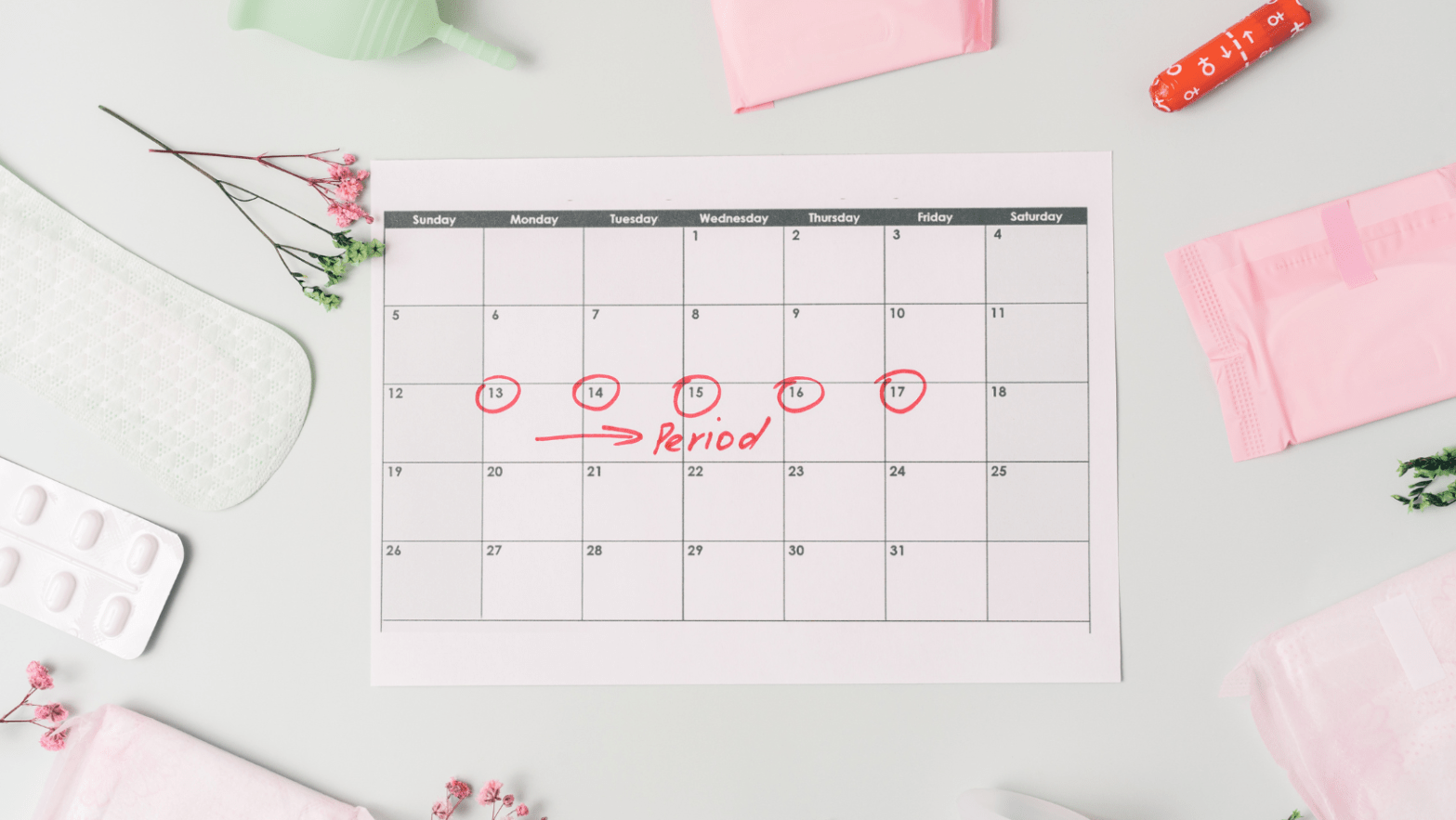
So here it is, period cycles in plain English! The lesson we all should have received when we were twelve.
Every month, female bodies undergo preparations for potential conception, involving the selection of a specific cohort of eggs that ascend to the surface of each ovary and accumulate within tiny sacs called “follicles.” Typically, younger women possess more follicles on their ovaries, indicating more potential eggs available each month. While follicle numbers can exhibit slight variations from month to month, they eventually deplete entirely, corresponding to a diminished egg supply as menopause approaches.
Each follicle can contain a maximum of one egg, although it is possible for a follicle to be empty and lack an egg for a given cycle. The eggs within the follicles then engage in a competitive process “Hunger Games” style, vying for dominance to become the solitary “dominant egg” for that cycle. In cases where multiple eggs achieve dominance simultaneously, the outcome can be fraternal twins or triplets. The dominant egg ruptures through the ovary and travels into the fallopian tube, where fertilization occurs. The fertilized egg remains in the fallopian tube, undergoing cell multiplication for approximately 3-4 days until it develops into an embryo capable of descending into the uterus and implanting itself within the uterine lining.
Therefore, when someone undergoes in vitro fertilization (IVF), they aim to make a day 5, 6, or 7 embryo that can be transferred back into their uterus and hopefully implant itself in the uterine lining!

Typically, young healthy females serve up an average of 20-30 eggs per month as part of this battle for dominance (WHAT!? I know; this was also shocking to me), gradually depleting their egg reserve until exhaustion. Once this occurs, there is no mechanism to generate additional eggs, ultimately leading to the inevitable onset of menopause. The timing of this milestone can exhibit significant variation that is far more extensive than I realized, especially since I did not know that women are born with all of the eggs they will ever have. We do not make more. What we have, we have from birth, and our genetics, lifestyle, age and many other factors, will determine how those eggs, ultimately, deteriorate over time, until we have none left and enter menopause.
Only mature eggs can undergo fertilization and progress into a viable embryo. Not all eggs present within our ovaries each month will reach maturity, as a natural culling or “dying off” process occurs before they attain the necessary size. This phenomenon prioritizes the dominant egg that prevails in the competitive process.
In the context of IVF, medication administration via injection, versus any other kind of mechanism, is crucial in overriding our natural system and stimulating the growth of numerous mature eggs simultaneously in both ovaries. This can help a patient produce multiple mature eggs, creating multiple embryos and increasing the odds of pregnancy. The injections trick our body and brain into doing something unnatural during that cycle, which is simultaneously growing multiple dominant eggs for that month.
“IVF does not “use up” all your eggs! Each cycle your body recruits multiple eggs, but typically only one gets ovulated. The rest die off and are reabsorbed by the body. The stimulation medications used during the IVF process help all of the eggs recruited for that cycle mature and have a chance at fertilization, where otherwise, they would have died off in a natural cycle. – Alease Daniel Barnes, BS, Senior Embryologist
So, there you have it; many eggs are offered up each month during ovulation, but typically only one egg becomes the dominant egg available for fertilization. If that egg is mature, of good quality, and easily pairs with healthy, viable sperm, it can successfully implant into the uterine lining and grow. BOOM, pregnancy! If any of those variables are off (and trust me, I am oversimplifying it for the sake of this chapter), then, well, you have likely found my book for a reason!
Two prevalent female health conditions significantly contribute to infertility among women related to period cycles. I will discuss these more in-depth later, but what all of us should have been told in middle school is to look out for the symptoms of these two widespread female conditions that are not normal when it comes to period cycles. Neither is curable, but there are ways to preserve one’s fertility at a young enough age, curb the effects of the conditions for an overall better quality of life, and protect future fertility once correctly diagnosed.
- PolyCystic Ovarian Syndrome (PCOS): A regular menstrual cycle typically spans 25 to 35 days. Any deviations from this range, either shorter or longer, could indicate a missed period and should be brought to the attention of a healthcare professional. Such irregularities may point to PCOS, which affects approximately 25% of women (1 in 4) or potentially indicate other underlying health concerns.
- Endometriosis (endo): Menstrual periods should not be accompanied by debilitating or severe pain. If period-related pain significantly hampers an individual’s ability to carry out daily activities, consultation with a medical practitioner is advisable. Pain during menstruation stands as the primary associated symptom of endo, which affects around 12.5% of women (1 in 8).
“Women (and men) are disserviced from early in life by not being taught what a normal vs an abnormal period should look like. How many men and women are aware that the ovaries and fallopian tubes aren’t actually attached? That there are numerous types of ovarian cysts, the most common being a benign byproduct of the menstrual cycle? That debilitating pain associated with monthly cycles leading to missed days of work or school is not “normal?” Sarrah Bair MSN, FNP-C, Family Medicine and Women’s Health
The key takeaway is that your periods should come consistently each month and should not be painful. If you are experiencing either or both symptoms, speak to a doctor and request further testing. Do not accept the age-old adage, “periods just suck, so suck it up.” Not diagnosing and addressing female health conditions early in life can have life-altering impacts on later-in-life fertility, and that is a fact.
 Moving Mountains For Motherhood
Great job explaining the inner workings of the female reproductive system in a clear and concise manner. This informative post is helpful in educating women on their bodies and reproductive health.
LikeLiked by 1 person